
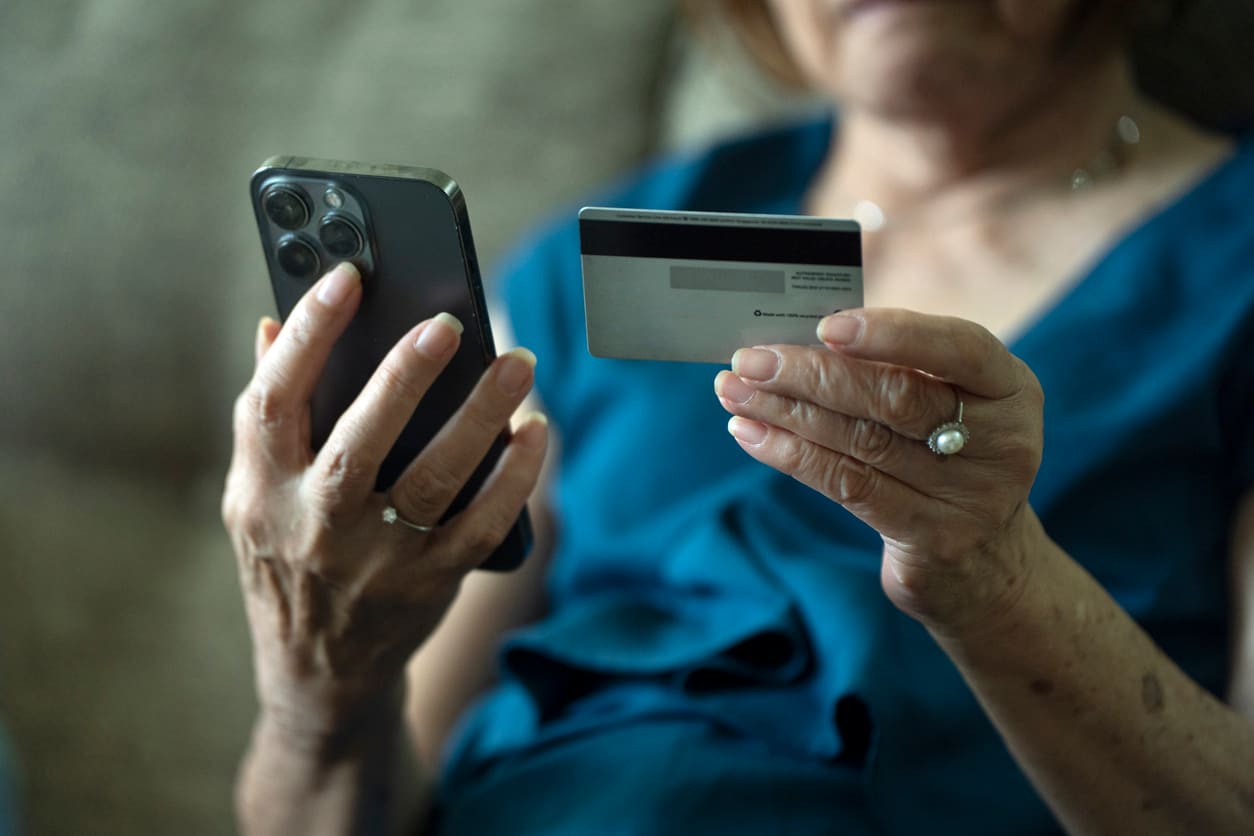
In Belgium, fake bank advisor fraud doesn't just target individuals. Businesses, freelancers, and executives are also prime targets for fraudsters, who no longer hesitate to use increasingly credible impersonation techniques to bypass traditional security measures.
In this article, discover how to quickly detect fake bank advisor fraud and what steps to take to significantly reduce your risk exposure.
What is fake bank advisor fraud?
Fake bank advisor fraud in Belgium is a type of scam where a fraudster poses as a bank employee. Their goal is to pressure you into performing sensitive actions, such as transferring money to an account they control or sharing your banking credentials.
The scammer contacts the victim by phone, sometimes using a spoofed number that appears to belong to an official institution. They then claim there is a suspicious transaction on the account or a security issue that requires immediate action.
This type of fraud relies on urgency and trust. You are pressured to act quickly, without taking the time to verify the information with your bank.
Good to know: Fraudsters use their victim's personal information to make their scam more credible. This information is typically obtained through hacking, phishing, or data breaches.
In Belgium, authorities and the banking sector have been regularly warning about the rise of these practices for several years now.
How can you protect yourself from fake bank advisor fraud in Belgium?
A text, email, or call that urges you to act, mentions a security issue, or asks you to "confirm a transaction" should immediately raise your suspicions. This type of contact is one of the most common patterns used by fraudsters.
Note that a bank advisor will never ask for your password, a confirmation code, your payment card PIN, or for you to validate a transaction via your banking app. If this happens, you are facing a fraud attempt.
Here are the best practices to follow consistently to protect yourself from fake bank advisor fraud:
- Regularly update your devices, software, and banking applications
- Only install applications and tools from official sources
- Use reliable antivirus software on all your personal and professional devices
- Create complex, unique passwords and update them regularly
- Enable two-factor authentication on your sensitive accounts
- Never approve an unusual request without verification.
What should you do if you are a victim of bank impersonation fraud in Belgium?
Do you suspect you are a victim of bank impersonation fraud in Belgium? If in doubt, follow these steps in order:
- Verify the information immediately with your bank.
- Do not share any codes, usernames, or passwords.
- Do not approve or cancel any transaction you did not initiate.
- If in doubt, cancel your bank card and change your online banking access credentials.
- Check the transactions made from your card or bank account. In the event of fraudulent transfers, identify the recipient(s).
- Provide your bank with all relevant information to request a refund or to suspend any transactions resulting from the fraud.
- Collect and keep evidence of the scam (phone numbers, text messages, emails, payment statements, etc.).
Once the situation is stabilized, it is recommended that you report the fraud and file a complaint with the relevant authorities.
How do you report bank impersonation fraud in Belgium?
Once you have identified or suspected fraud, you must first notify your bank using its official channels: customer service, emergency hotline, or branch. They will block any ongoing transactions and secure the affected account(s). They will also be able to escalate the incident to their security department.
At the same time, report the fake bank advisor fraud to the Belgian authorities. To do this, file a complaint with the local police. Remember to bring all the evidence you have collected.
If the fake bank advisor fraud occurs in a professional setting, promptly notify the relevant teams (finance department, accounting, IT) to assess the potential impact on other operations and prevent the risk from spreading.
How can you get a refund if you have suffered a loss?
In the event of fake bank advisor fraud in Belgium, the question of reimbursement for fraudulent transactions quickly arises.
As a general rule, banks review disputed transactions to determine if they can be contested, especially when they were carried out without your explicit authorization. The faster you react, the better your chances of recovering all or part of the lost funds.
Reimbursement usually depends on:
- how quickly you react
- the traceability of communications
- your ability to demonstrate that there was no gross negligence.
If the situation does not improve or if significant amounts are involved, it may be worth seeking assistance from a lawyer specializing in banking law or financial litigation.
What does Belgian law say about this type of bank fraud?
In Belgium, fake bank advisor fraud is generally prosecuted asfraud as provided for in Article 496 of the Belgian Penal CodeThis provision covers any fraudulent scheme intended to deceive a victim in order to obtain funds or assets of financial value.
Depending on the circumstances of the bank fraud, additional charges may apply, such as forgery and use of forged documents, or offenses related to unauthorized access to a computer system.
The potential penalties are severe, as fraud can lead to criminal fines, imprisonment, and the confiscation of any financial gains derived from the fraudulent activity.
What are the main risks for victims?
In a fake bank advisor scam, the fraudster tries to make the scheme credible, delay detection, and complicate any attempts to dispute the transaction. This is where document fraud comes into play.
You may be confronted with falsified items that perfectly mimic banking or administrative standards: fake bank statements, forged transfer receipts, or counterfeit identity documents. In some cases, fraudsters go as far as producing fake "bank security" documents.
The more authentic these documents appear, the more they hinder critical thinking and delay your response time. This is why automated document fraud detection is essential.
The Finovox document verification software analyzes these files in seconds, whether they are standardized or non-standardized documents, and detects inconsistencies invisible to the naked eye.
Sommaire
.jpg)
.jpg)